The Western Balkans Move from Energy Transition to System Delivery
13 March, 2026
Energy competitiveness is no longer determined by generation cost alone. Increasingly, it depends on flexibility, controllability and system resilience.
As electrification accelerates, power systems must absorb variable renewable generation, new industrial electricity demand and digital infrastructure loads without destabilising markets or creating extreme price volatility.
In this context, energy flexibility in the Western Balkans is becoming a defining factor for economic competitiveness. Battery energy storage and other flexibility technologies are rapidly emerging as critical tools for managing modern electricity systems.
Regional policy coordination around renewable integration and system flexibility is supported through initiatives led by the Energy Community.
Flexibility is becoming essential for modern power systems
Flexibility allows electricity systems to respond dynamically to fluctuations in supply and demand.
Without sufficient flexibility resources, markets struggle to integrate large volumes of renewable energy while maintaining system stability.
Battery storage, demand-side management and digital grid optimisation provide operators with tools to balance the system in real time.
According to energy system analysis published by the European Commission, energy systems with higher levels of flexibility are better able to integrate renewable generation while maintaining price stability.
How flexibility strengthens energy competitiveness in the Western Balkans
As renewable deployment accelerates, energy flexibility in the Western Balkans will increasingly determine how competitive and resilient the region’s electricity systems become.
Flexibility brings several system-wide benefits.
Lower balancing costs
Flexible resources such as battery storage reduce the need for expensive balancing interventions and emergency market measures.
More efficient grid utilisation
Storage can optimise the use of existing grid infrastructure by smoothing renewable generation and reducing congestion.
Unlocking renewable capacity
Flexibility solutions allow additional renewable capacity to connect to the grid without increasing curtailment risks.
Reduced market volatility
Storage technologies can absorb excess generation and release electricity during peak demand, stabilising electricity prices.
Stronger investment signals
Energy systems that demonstrate controllability and predictability are more attractive to investors and project financiers.
Flexibility reshapes investment signals
Flexibility does more than stabilise electricity systems. It reshapes how investors evaluate energy markets.
Capital increasingly flows toward systems that demonstrate operational control, transparency and predictability.
Regions that integrate battery storage, hybrid renewable projects and digital optimisation into their energy markets become easier to finance, easier to insure and easier to scale.
For the Western Balkans, this creates an opportunity to build modern electricity systems capable of supporting both renewable expansion and industrial competitiveness.
A growing focus for the regional energy sector
The importance of flexibility is becoming increasingly central to discussions across the region’s energy sector.
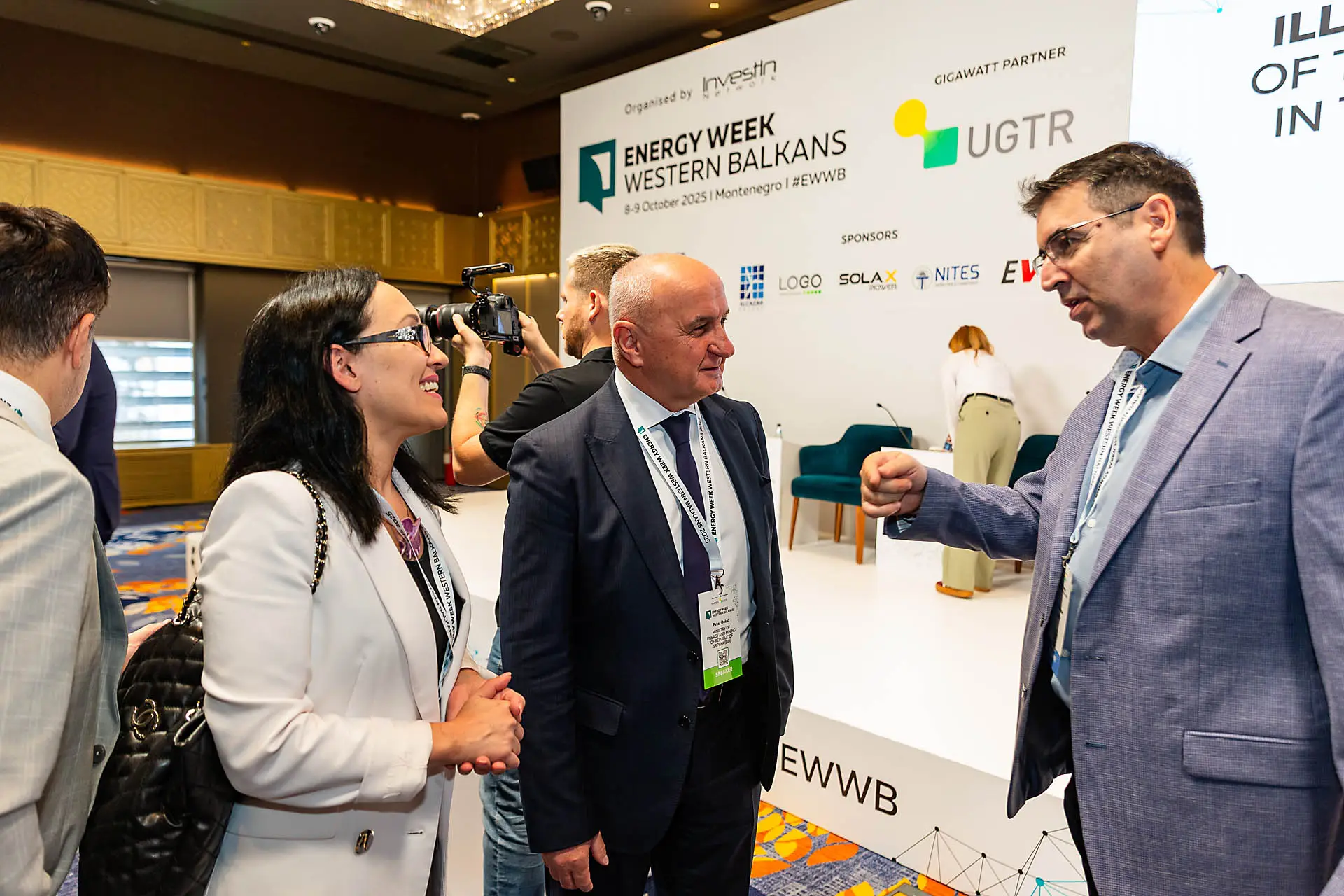
Energy Week Western Balkans brings together policymakers, utilities, investors and technology providers to examine how flexibility solutions can support large-scale renewable deployment while strengthening regional competitiveness.
As electricity demand grows and energy systems become more complex, flexibility will increasingly determine which markets can scale clean energy while maintaining economic stability.
Related News


